
Your Cart is Empty
WELCOME TO DARLING and COMPANY


Last Updated: October 13, 2026
Learning how to care for leather comes down to three habits: clean it gently, condition it before it dries out, and keep water and heat away from it. At Darling and Company, we handcraft statement bags from genuine leather. A structured leather bag can outlast a dozen trendy accessories, but only if you treat it like the natural material it is.

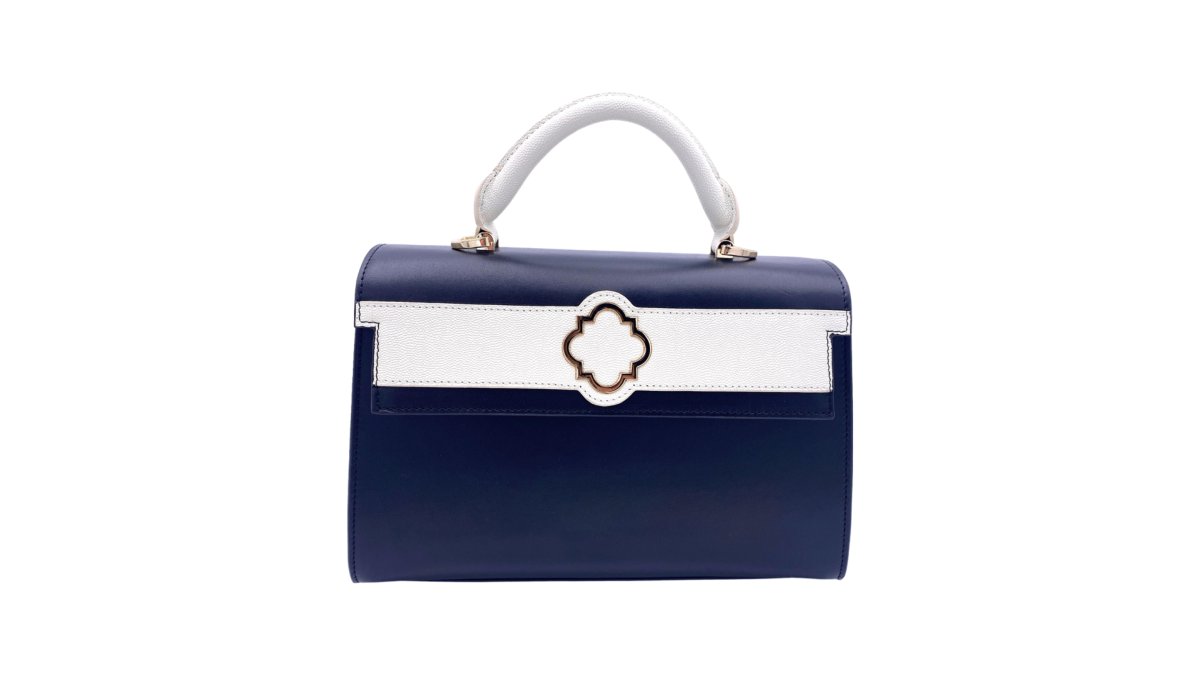
Gather these before you start, so you're never scrubbing leather with whatever's under the sink:
Wipe the leather surface with a dry, lint-free cloth first to lift loose dust and dirt. Use a soft-bristled brush to reach dust sitting in seams, stitching, and around hardware, where grease buildup collects fastest. If the leather needs more than a dry wipe, dip your cloth in warm water with a drop of mild soap, wring it out until it's barely damp, and wipe in gentle circles.
Apply a small amount of leather conditioner to a clean cloth and work it into the leather in thin layers, not a thick coating. Conditioning replaces the natural oils that keep leather supple, and skipping it is how leather ends up cracking. Let the conditioner absorb for a few minutes, then buff off any excess with a dry cloth.
Mist a leather protectant evenly over the surface to guard against water, stains, and color transfer. Then let the item air dry away from any heat source or direct sunlight. If the leather gets wet, blot it with a dry cloth rather than rubbing, and let it dry slowly at room temperature. Rushing the dry with a hair dryer or radiator causes the leather to stiffen and crack.
The best leather conditioner for handbags is a cream or lotion formula matched to your bag's finish: smooth leathers take richer creams, while embossed and patent finishes need a lighter touch.
For a bag like our Rowan Black Croc Bag, which pairs crocodile-embossed genuine leather with patent leather trim, we recommend a light application and extra care around the patent sections, since those finishes show residue easily.

Condition leather every three to six months for items in regular rotation. Cleaning is a different rhythm: spot clean as needed, and do a full gentle cleaning session two or three times a year.
Climates matter. Dry indoor heating in winter pulls moisture from leather faster, so you may want to condition closer to the three-month mark during those months.
| Task | Frequency | Why It Matters |
|---|---|---|
| Spot cleaning | As needed | Removes spills before they set |
| Full gentle cleaning | Every 3-4 months | Prevents grease buildup in seams |
| Conditioning | Every 3-6 months | Replaces natural oils, prevents cracking |
| Protectant reapplication | Every 6 months | Maintains water and stain resistance |
Leather storage best practices start with three rules: keep bags stuffed, keep them covered, and keep them out of sunlight. Stuff a bag with tissue or a clean pillowcase to hold its shape, then slide it into a breathable cotton dust bag.
Store bags upright on a shelf rather than stacked, and keep them away from direct sunlight, which fades color and dries the surface.
Leather type changes the routine more than most guides admit. Applying a cream conditioner to suede, or a suede brush to patent, can permanently alter the surface. Identify the finish before you touch it, check the tag, the product page, or test an inconspicuous spot.
The most forgiving category. Wipe with a damp microfiber cloth, apply a cream or lotion conditioner in thin layers, buff off excess, then mist a protectant. Full-grain develops a patina over time; that darkening is normal, not damage.
Aniline leather is dyed but has little or no protective topcoat, so it absorbs liquids fast and stains deeply. Test on the underside of a strap or an interior seam and wait 24 hours before treating the visible area. Semi-aniline has a light topcoat and tolerates a mild conditioner but still shows water rings.
Texture traps dust in the grooves. Brush first with a soft-bristled brush, then wipe with a barely damp cloth. Condition lightly and work the product into the grooves with a soft brush rather than a cloth, which skips the recessed areas. Excess product pools in the texture and dries into a white haze.
Patent leather has a plastic-like finish that needs almost no product. Wipe with a damp cloth and buff with a dry one. Do not use conditioner, oil, or saddle soap, they dull the shine and can cause the finish to cloud or crack. Store patent away from other leathers, since dyes can transfer and patent has no way to release them.
These are the opposite of smooth leather: water is the enemy, and a wet cloth will flatten the nap and leave a permanent stain ring. Use a dedicated suede brush and a suede eraser for scuffs. For dry dirt, brush in one direction. For water stains, let the item dry naturally, then brush the nap back up, if the ring sets, a professional can often lift it, but DIY attempts usually spread it.
Coated (sometimes called PU or bicast) leather has a thin surface layer over a backing. It cleans easily with a damp cloth but cannot absorb conditioner, so applying it just leaves residue.
Stain response depends on three things: what spilled, what finish it landed on, and how long it has been there. The same ink mark that lifts off a coated bag in seconds can set permanently into aniline leather. Use the decision path below rather than a single universal method.
Fresh stains (under an hour) respond to blotting and mild cleaner. Stains that have sat for a day or more have often bonded with the finish or soaked into the fiber, repeated scrubbing at that point causes more damage than the stain. One gentle attempt, then stop.
Stop and call a professional if:
A specialist has solvents, dyes, and techniques that aren't sold at retail.
Harsh chemicals are the fastest way to ruin good leather. Alcohol, ammonia, bleach, acetone, and most household cleaning sprays strip the finish and pull out the natural oils that keep leather supple. Once the finish is gone, the leather dries, cracks, and discolors, and no conditioner brings that back.
Skip these entirely:
Stick to products made for leather. A dedicated leather cleaner and conditioner are formulated to work with the material rather than against it.
Call a professional when the damage goes past surface level: deep ink stains, tears, mold, widespread color loss, or water damage that has soaked through the leather. These need specialized products and techniques, and a DIY attempt usually makes the damage permanent.
Redyeing, restitching, and structural repair on a handcrafted bag also belong in professional hands. For everyday cleaning, conditioning, and protection, you can absolutely handle it yourself.
Use oils specifically made for leather, such as neat's-foot oil or mink oil, but only on smooth, unfinished leather. These oils can darken the leather and may not be suitable for all finishes. For most handbags, a dedicated leather conditioner is safer because it is formulated to match the leather type. Always patch test on a hidden area first. Avoid vegetable oils or olive oil, which can go rancid and damage the leather over time.
No, avoid dish soap like Dawn on leather. It is too harsh and strips natural oils, leading to drying and cracking. Instead, use a mild soap designed for leather or a solution of a few drops of gentle soap in warm water. After cleaning, always condition the leather to restore moisture. For tough stains, consult a professional rather than risking damage with household cleaners.
Condition your leather handbag every three to six months, depending on how often you use it and the climate. If the leather feels dry or looks dull, it may need conditioning sooner. In dry or cold weather, you might need to condition more frequently. Always clean the bag first, then apply a small amount of conditioner with a soft cloth, and buff off any excess.
Cleaning removes dirt, dust, and stains from the leather surface using a mild soap or leather cleaner. Conditioning replenishes the natural oils that keep leather soft and prevent cracking. Cleaning should be done before conditioning to avoid trapping dirt. Both steps are essential: cleaning alone can dry out the leather, while conditioning without cleaning can push grime deeper into the pores. For best results, clean gently and condition every three to six months.
Leather rewards consistency more than intensity. A ten-minute clean and condition every few months keeps a handcrafted bag looking the way it did the day it arrived, and that's exactly how we build them at Darling and Company: handcrafted in the USA, designed as functional art, and made to be carried for years. Our bags, from the Rowan Black Croc Bag to the Camden Bag, are built to age beautifully with the right care. Shop Bags and find the piece that becomes your next conversation-starter.


